

Telemedicine Vs. In-Person Care: How Digital Platforms Are Changing Patient Experience

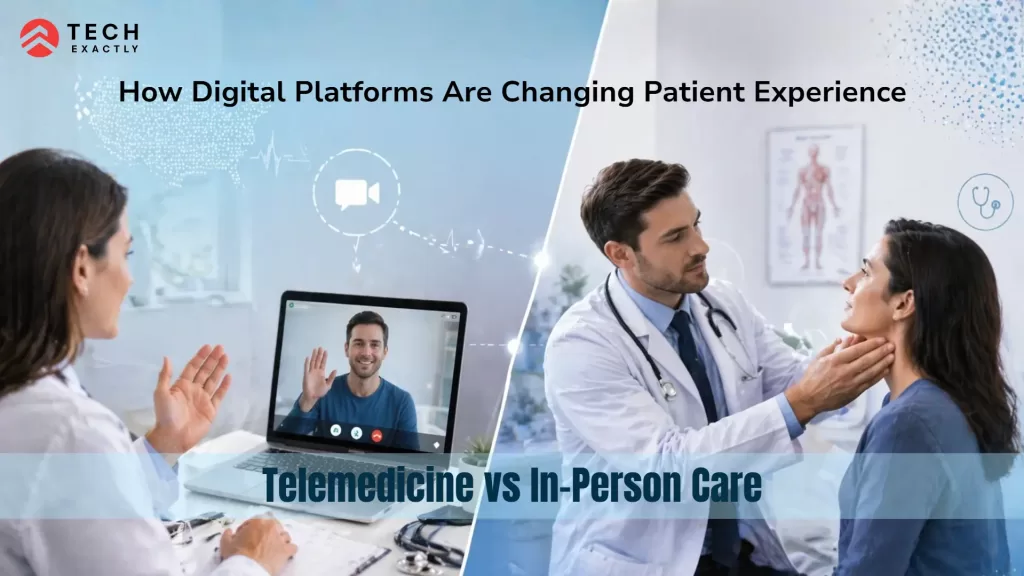
The blog focuses on the influence of telemedicine and technology on patients’ medical experiences. Although traditional medicine is crucial in dealing with difficult medical issues, telemedicine offers more accessible, cost-effective, and continuous care. The hybrid approach is the most appropriate path toward better health care in the future.
Healthcare delivery is undergoing a fundamental shift; earlier health checkups were focused on in-person visits. This is evolving into a hybrid, digitally enabled ecosystem.
It is the time of the rise of telemedicine, mobile health platforms, and AI-powered tools that are playing a significant role in improving healthcare systems. Further making it accessible.
As per the recent McKinsey report, telehealth adoption has been stabilized at various levels; 38 times higher than pre-pandemic usage, which predicts a long-term shift toward digital care delivery.
Specifically for healthcare leaders, this transformation is a strategy, not just a trend. Patients today expect convenience and not to be dragged through appointments. The digital services come like a rescue, which is driving patients’ expectations.
Among all the advanced solutions built through healthcare app development, it acts as a bridge between traditional and digital care. The debate around telehealth vs telemedicine continues, but there must be a question in your mind about which model is better.
Without skipping a point, let’s focus on the differences throughout the blog and observe how digital platforms are changing patient experience.
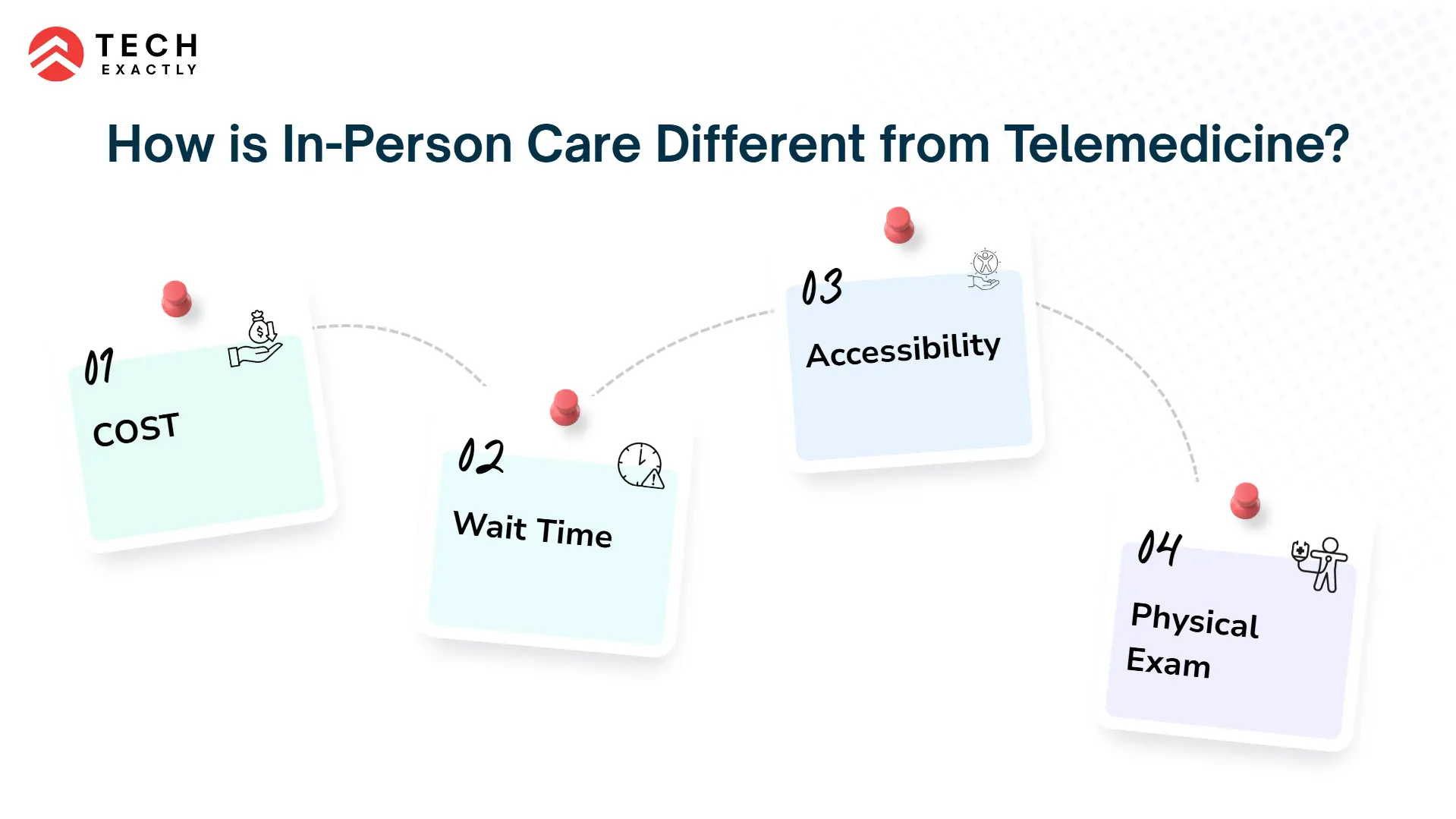
How is In-Person Care Different from Telemedicine?
The foundation of healthcare systems has always been in-person care, which offers in-person interaction, physical examinations, and immediate access to diagnostic tools. There are multiple benefits in treating complex conditions, emergencies, and procedures requiring hands-on intervention.
However, in-person care is beneficial, but it comes with limitations. Patients often see waiting in long queues, along with travel burdens and restricted access to specialists.
On the other hand, telemedicine removes all these barriers, enabled by virtual consultations through a digital platform. This also plays a significant role in allowing patients to access their health charts and reports.
Telemedicine reduces dependency on physical visits, enhances flexibility, and further allows patients to connect with medical professionals from anywhere in the world.
How Digital Platforms Are Changing Patient Experience?
Convenience and Accessibility
In terms of access to healthcare, it is evident that the digitalization of healthcare platforms has led to a dramatic change. In the modern digital world, it has become possible to get immediate access to medical resources regardless of your location or availability.
Patients can use their smartphones to access information, communicate with healthcare providers, and get consultations immediately. The implementation of digital platforms will have the most significant impact on people who live in underserved areas and rural regions because they can use the Internet to get immediate medical help without traveling to hospitals and clinics.
A study by the World Health Organization confirms that digital health solutions are critical in improving healthcare access in low-resource and rural environments.
This World Health Organization study projects that digital health solutions are important in improving healthcare systems in low-resource and rural environments.
User Experience
Currently, the developers of healthcare platforms pay attention to the user experience, which means that digital solutions have to be intuitive, accessible, and user-friendly. The developers who create these apps know that their users will not spend much time learning how to use a particular product.
Therefore, they create healthcare platforms that resemble consumer apps and have intuitive interfaces and clear menus. Modern solutions can be compared to Uber and Instagram.
Cost Reduction
Another benefit associated with digital healthcare platforms is that they are cost-effective. For example, patients can save money on travel expenses and sick leaves, and the providers themselves can decrease costs associated with healthcare facility maintenance.
Telemedicine helps to lower expenses by optimizing operational workflows and enhancing resource management. By implementing mobile applications, healthcare organizations will be able to scale their operations successfully.
Telehealth can minimize unnecessary hospital visits, and post-adoption, it can enhance and scale operations successfully as per the American Medical Association.
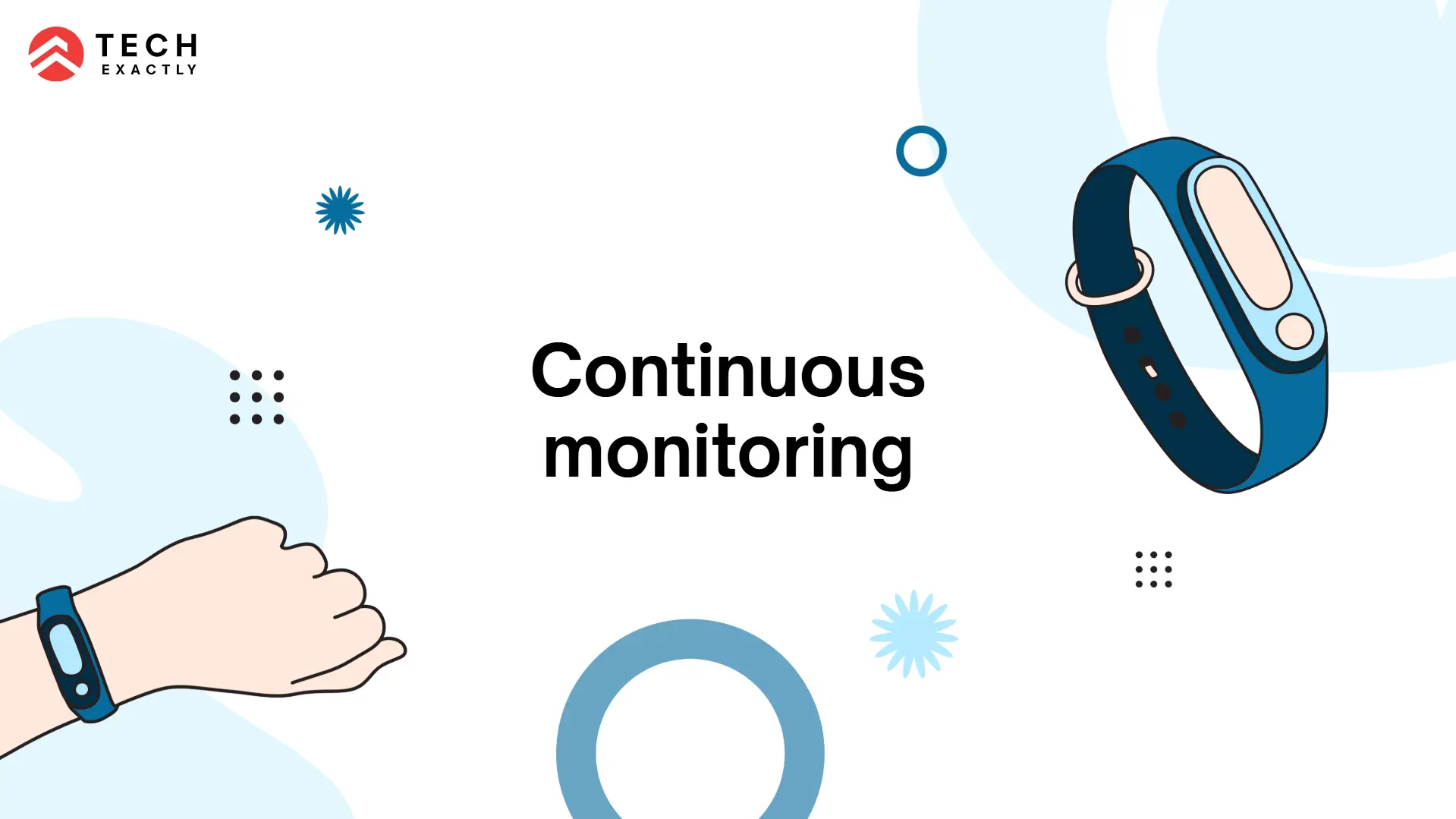
Continuous Monitoring
As was mentioned above, one of the main advantages associated with digital healthcare platforms is that they make it possible for healthcare providers to monitor patients’ health status constantly.
In other words, physicians do not need to see their patients in person; they can use remote monitoring software, wearables, and other digital solutions to track vitals. This benefit is particularly useful for managing various chronic illnesses like diabetes, hypertension, and cardiovascular diseases.
Proactive Care
Another advantage associated with digital healthcare platforms is that they provide healthcare organizations with an opportunity to implement a proactive care approach.
In this case, healthcare providers will be able to use AI technologies to analyze patients’ health data and detect possible problems before they become serious. By taking care of their patients’ health regularly, physicians will improve outcomes and reduce healthcare costs.
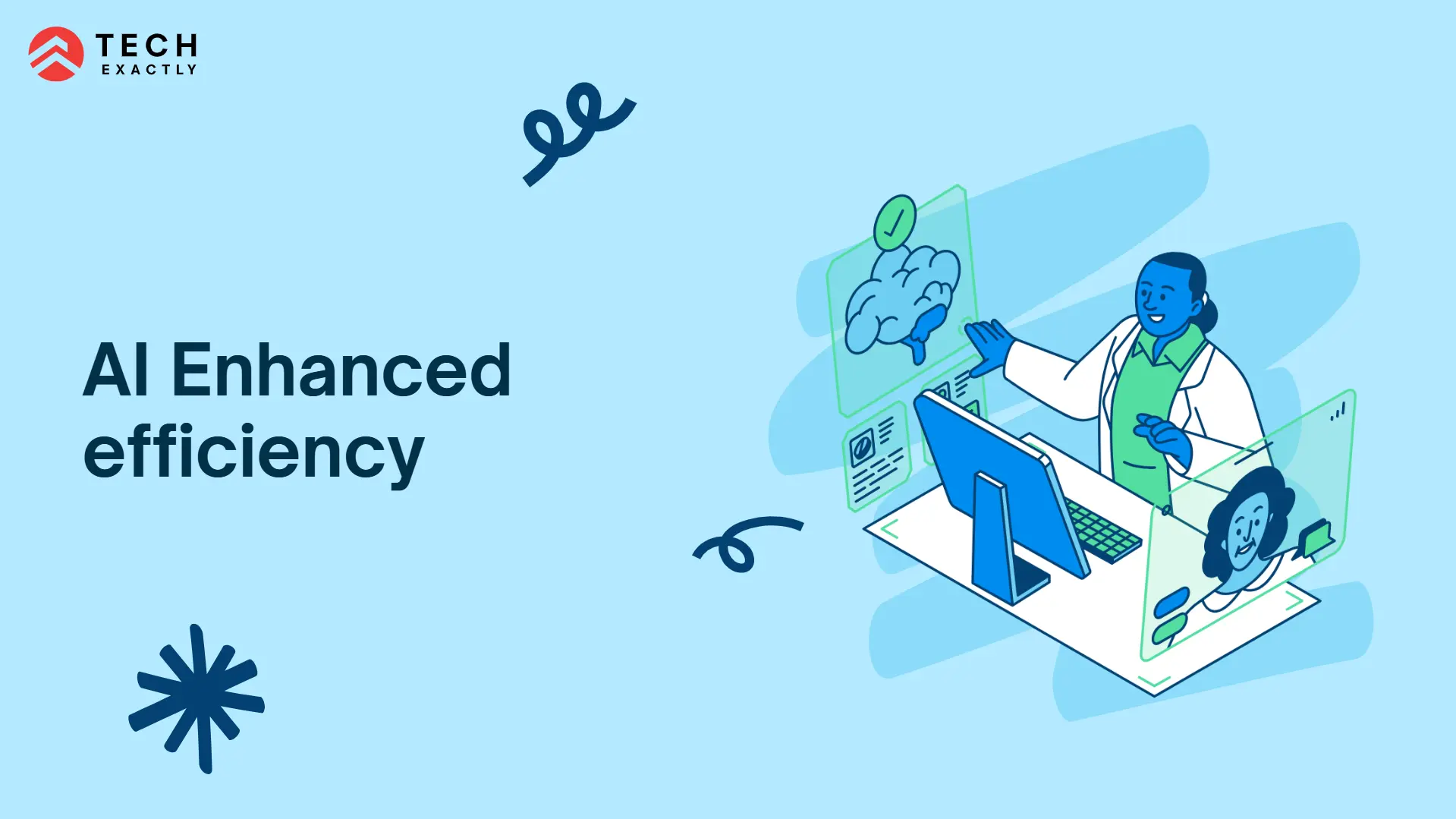
AI-Driven Efficiency
Finally, the last benefit associated with the digitalization of healthcare platforms is that artificial intelligence makes these solutions more efficient. The use of artificial intelligence will facilitate communication between patients and healthcare providers, increase speed, and minimize the risks of errors.
The Stanford University AI Index report says, AI adoption in healthcare is accelerating, further improving operational efficiency and clinical decision-making. For instance, AI-based platforms can be used for automating many tasks associated with healthcare provision.
Key Differences: Telemedicine vs. In-Person Care
Feature | Telemedicine | In-Person care |
Convenience | High (home/office) | Low (travel/parking) |
Wait times | Low | High |
Cost | Generally lower | Higher |
Physical Exam | Limited, relies on digital tools | Comprehensive/Hands-on |
Infection Risk | Minimal | High |
Rapport | Challenging for new patients | High, easier to build trust |
Best For | Routine follow-ups, mental health, and chronic disease management | Acute emergencies, physical procedures, and initial diagnosis |
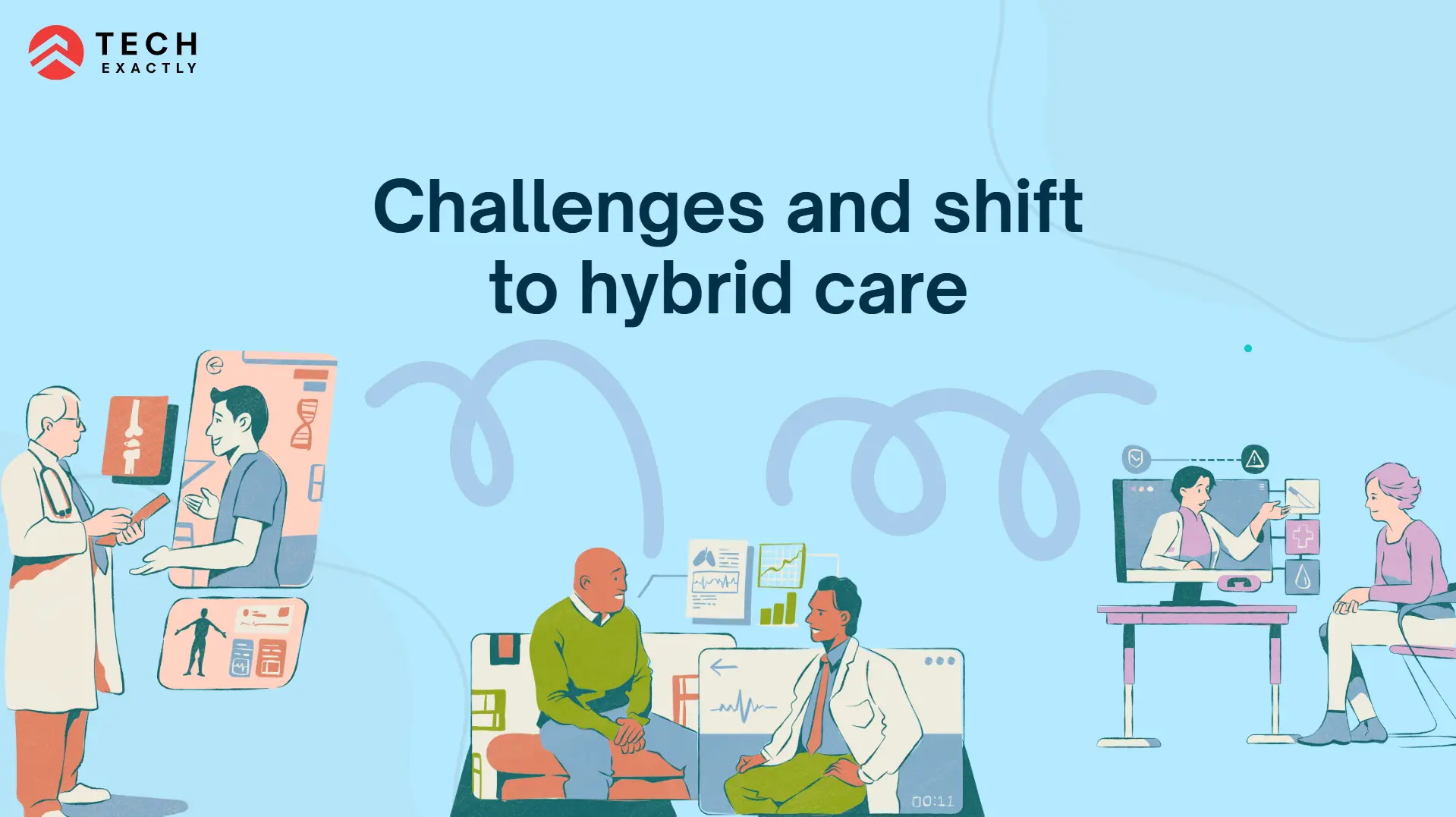
Challenges and Shift to Hybrid Care
There are various advantages, but telemedicine is not without challenges. The issues that telemedicine faces are data security, regulatory compliance, and digital literacy; these are evident barriers that slow down adoption.
More on securing healthcare apps: with data encryption, access control, and compliance.
Healthcare continues to have the highest average cost of data breaches, IBM report shows. By observing these obstacles, there are ways that can be followed for hassle-free telemedicine adoption.
Healthcare organizations looking towards moving forward, they should ensure that patient data is protected by security measures and compliance frameworks.
Among the population, older individuals prefer traditional care models like in-person clinic visits. Along with this, multiple critical challenges limit virtual consultations that require physical examinations, such as diagnostic imaging and hands-on procedures, which cannot be treated digitally.
At this stage, hybrid healthcare treatment systems are useful; they combine telemedicine and in-person care. Through this, healthcare providers can offer balanced approach for patients.
Therefore, various healthcare providers are adopting a partnership model with a healthcare app development company in the UK to build integrated platforms globally that support both virtual and physical care journeys.
Final Thoughts
The healthcare transformation is a reality and is happening in real time, with these digital platforms reshaping how care can be delivered more seamlessly, without making it hectic for patients.
I think for healthcare providers, the focus should be on combining telemedicine and in-person care, further creating a cohesive system that can make both worlds useful. Hence, the future of healthcare lies in integration, personalization, and accessibility.
Investing in the right digital infrastructure, supported by strategic healthcare app development company in the USA, is key to staying ahead in this evolving landscape. Organizations that embrace this shift will not only improve patient outcomes but also build stronger, more resilient healthcare systems.
Looking forward to building a future-ready healthcare platform? Connect with our experts and explore scalable, secure, and patient-focused solutions.