


Microservices vs Monolithic Architecture: Best Choice for SaaS

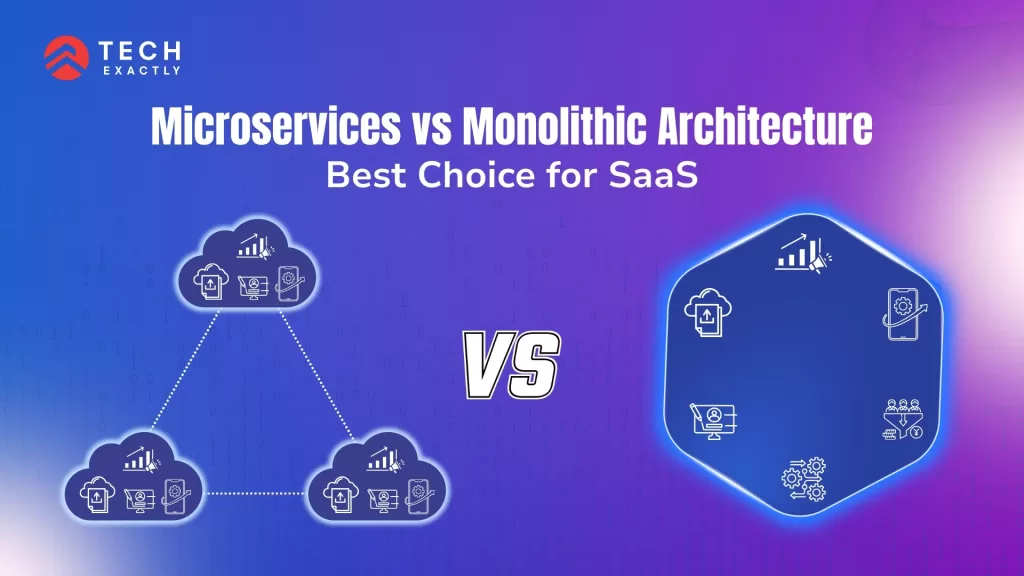
One of the key architectural decisions when building a SaaS product is choosing between microservices and monolithic architecture. But the real question is, which one actually scales better, and which one might hold you back?
In the last decade, microservices have become extremely popular, especially with the advent of cloud-native applications. However, monolithic architecture is not dead yet, and many successful SaaS products have been built using this type of architecture.
As SaaS products expand their reach across global markets, architectural decisions also affect how effectively you can deliver solutions such as Custom Mobile App Development Services in the USA or Custom Mobile App Development Services in the UK, etc.
Tech Exactly has made significant advancements in mobile app development. You may want to explore more on that.
In this blog, we’ll discuss architecture in a practical, no-nonsense way to help you pick what works best for your SaaS product.
What is Microservices Architecture?
Microservices architecture is an approach to system architecture in which systems are composed of small, independent services that communicate with each other through API calls.
It is particularly suitable in cases where a company provides cross-platform mobile application development services, and the application’s components need to function independently but consistently.
What is microservices architecture in Java? For example, in Java, frameworks such as Spring Boot and Spring Cloud are used to implement microservices, where each service runs independently using containers and orchestration techniques like Kubernetes.
This study explains more about Java in Microservices Architecture on Spring Boot and other development.
Instead of one big codebase, you have multiple small codebases, each belonging to different teams or modules.
What is Monolithic Architecture?
A monolithic architecture is the traditional way of developing an application. In this type of architecture, all the application’s pieces, including the UI and business logic, are part of a single unified code base. You may refer to research on integrated components within a single codebase for deeper insights.
Monolithic architecture is a software development methodology where the entire application is developed as a single unit and deployed as such. In other words, everything lives together and grows together.
Microservices Architecture for SaaS Application
Microservices are particularly appealing for SaaS applications because they align well with scalability, distributed teams, and continuous deployment models.
Microservices Architecture Benefits
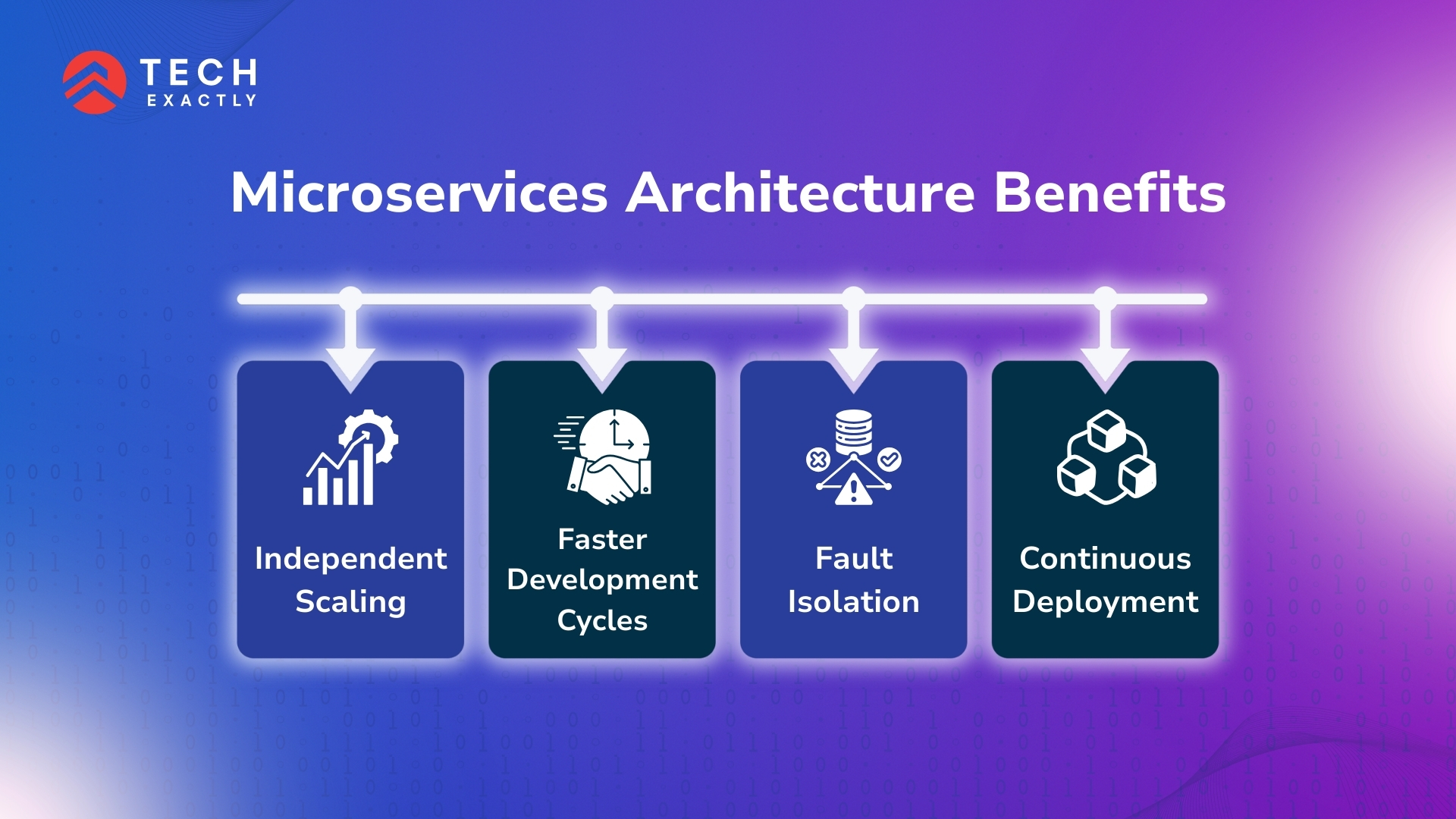
Independent Scalability
Each service can scale independently based on demand. For example, if your billing module experiences heavy traffic, only that service needs scaling, not the entire system.
Faster Development Cycles
Different teams can work on different services simultaneously, reducing bottlenecks and enabling parallel development.
Technology Flexibility
You’re not locked into a single tech stack. One service can be implemented in Java, another in Node.js, depending on requirements.
Fault Isolation
If one service fails, it doesn’t necessarily bring down the entire application. This improves overall system resilience.
Continuous Deployment
Microservices make it easier to deploy updates without affecting the entire application.
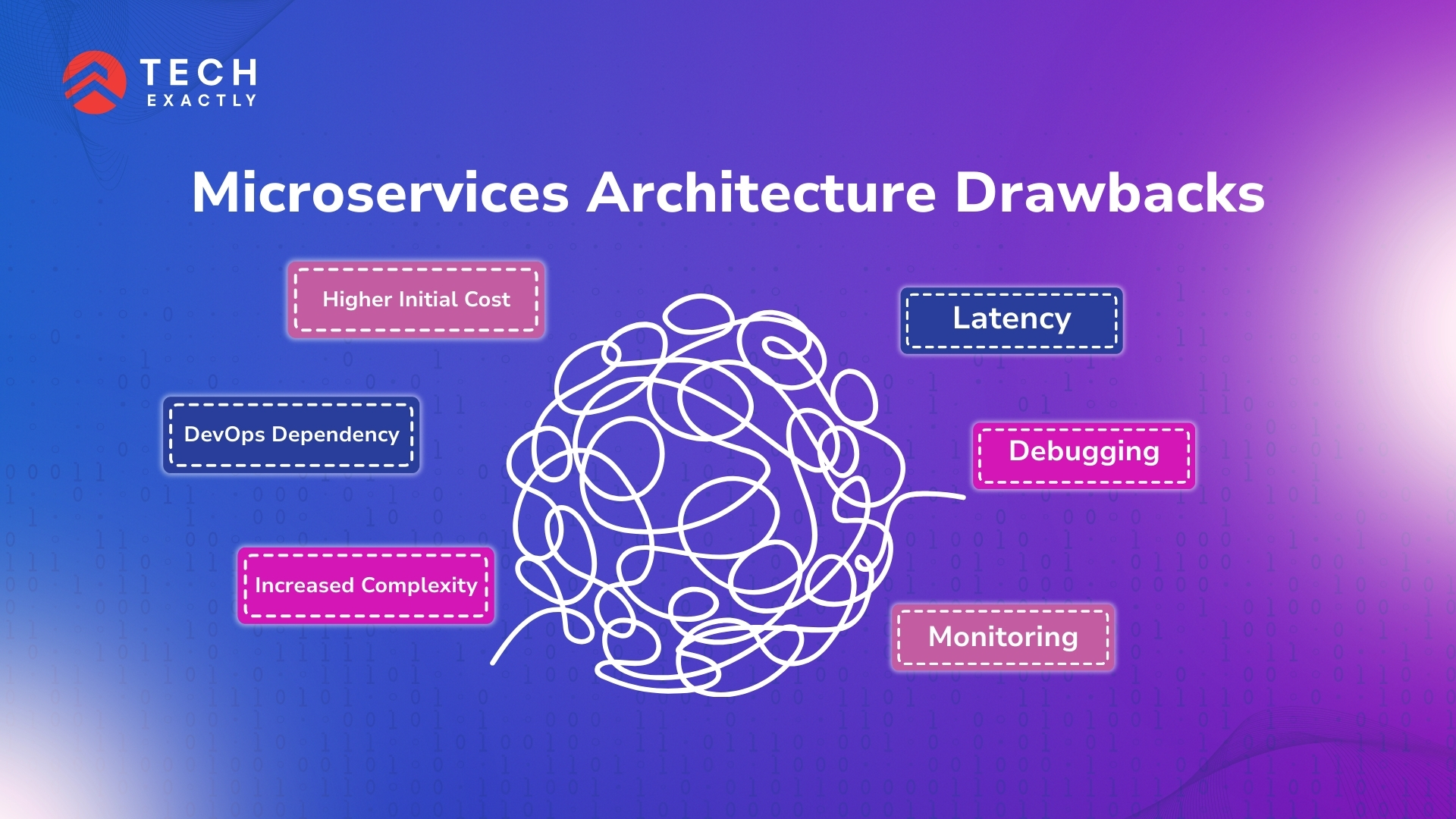
Microservices Architecture Drawbacks
Increased Complexity
Managing multiple services introduces complexity in deployment, monitoring, and debugging.
Distributed System Challenges
Issues like network latency, data consistency, and service communication can become significant challenges.
DevOps Dependency
Microservices demand mature DevOps practices, including CI/CD pipelines, containerization, and orchestration.
Higher Initial Cost
Setting up infrastructure for microservices (such as Kubernetes, service discovery, API gateways) can be expensive and time-consuming.
Use Cases
Microservices are ideal when:
You’re building a large-scale SaaS platform (e.g., CRM, ERP, fintech apps)
Teams are large and distributed
You expect rapid feature expansion
Different modules have different scaling requirements
You need high availability and fault tolerance
Examples include platforms like Netflix, Amazon, and Uber, where independent services play a key role in ensuring performance and scalability.
For instance, Netflix moved to a microservices architecture to support millions of concurrent users worldwide, enabling smooth streaming and high availability. Here is more insight into Rebuilding Netflix Video Processing Pipeline with Microservices.
Monolithic Architecture for SaaS
Despite the buzz around microservices, monolithic architecture remains a strong contender, especially for startups and early-stage SaaS products.
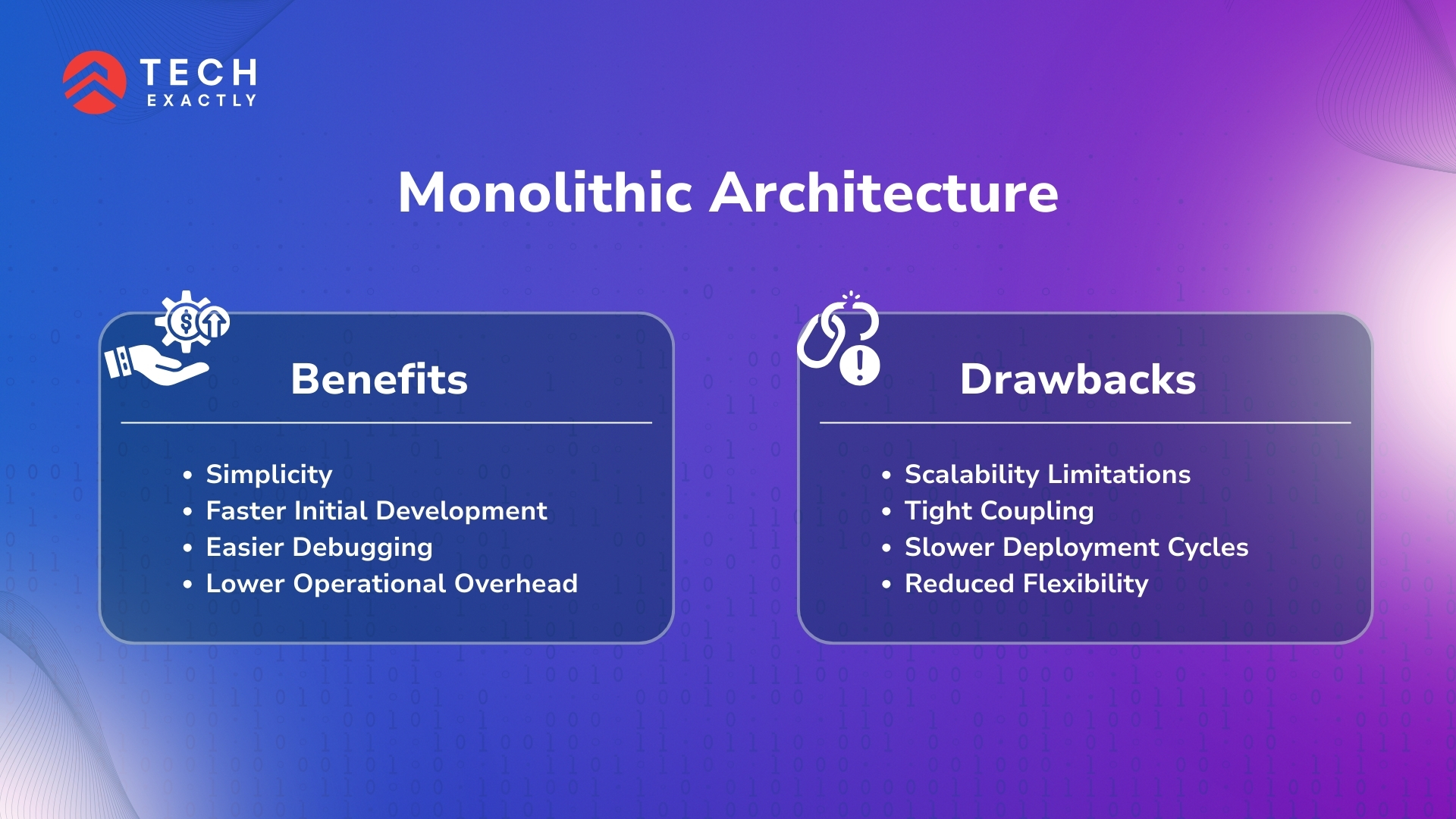
Monolithic Architecture Benefits
Simplicity
A single codebase is easier to develop, test, and deploy, especially for smaller teams.
Faster Initial Development
You can move quickly in the early stages without worrying about service boundaries or inter-service communication.
Easier Debugging
Since everything is in one place, tracking bugs and issues is more straightforward.
Lower Operational Overhead
No need for complex DevOps setups like container orchestration or service mesh.
Monolithic Architecture Drawbacks
Scalability Limitations
Scaling the entire application instead of individual components can lead to inefficiencies.
Tight Coupling
Changes in one module can impact others, making the system harder to maintain over time.
Slower Deployment Cycles
Even small updates require redeploying the entire application.
Reduced Flexibility
You’re locked into a single technology stack, making it harder to adopt new tools or frameworks.
Data Management & Consistency
One of the most critical, yet often overlooked, challenges in microservices architecture is maintaining data consistency across distributed services.
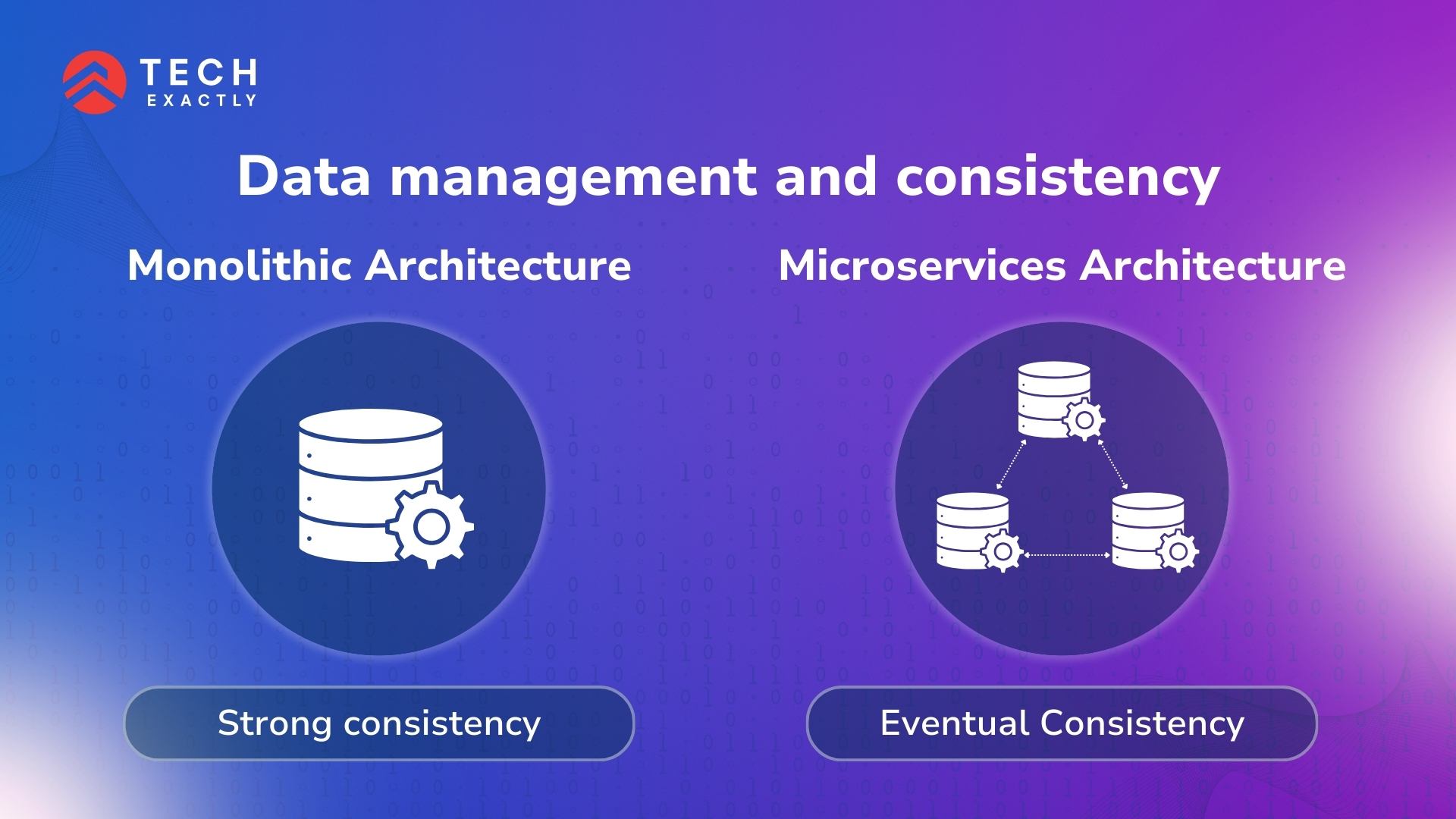
In a monolithic system, data management is relatively straightforward. The application usually relies on a single database, ensuring strong consistency, and transactions are easier to handle since everything operates within one boundary.
In contrast, microservices introduce a distributed data model. Each service typically owns its own database, which increases independence but makes consistency more complex.
Research shows that data management is one of the most critical challenges in microservices due to distributed ownership and the lack of centralized control.
Instead of strong consistency, systems often rely on eventual consistency, where updates spread across services over time rather than happening instantly.
This shift calls for a different mindset and a new approach to architecture.
Key Concepts to Understand
Event-Driven Architecture
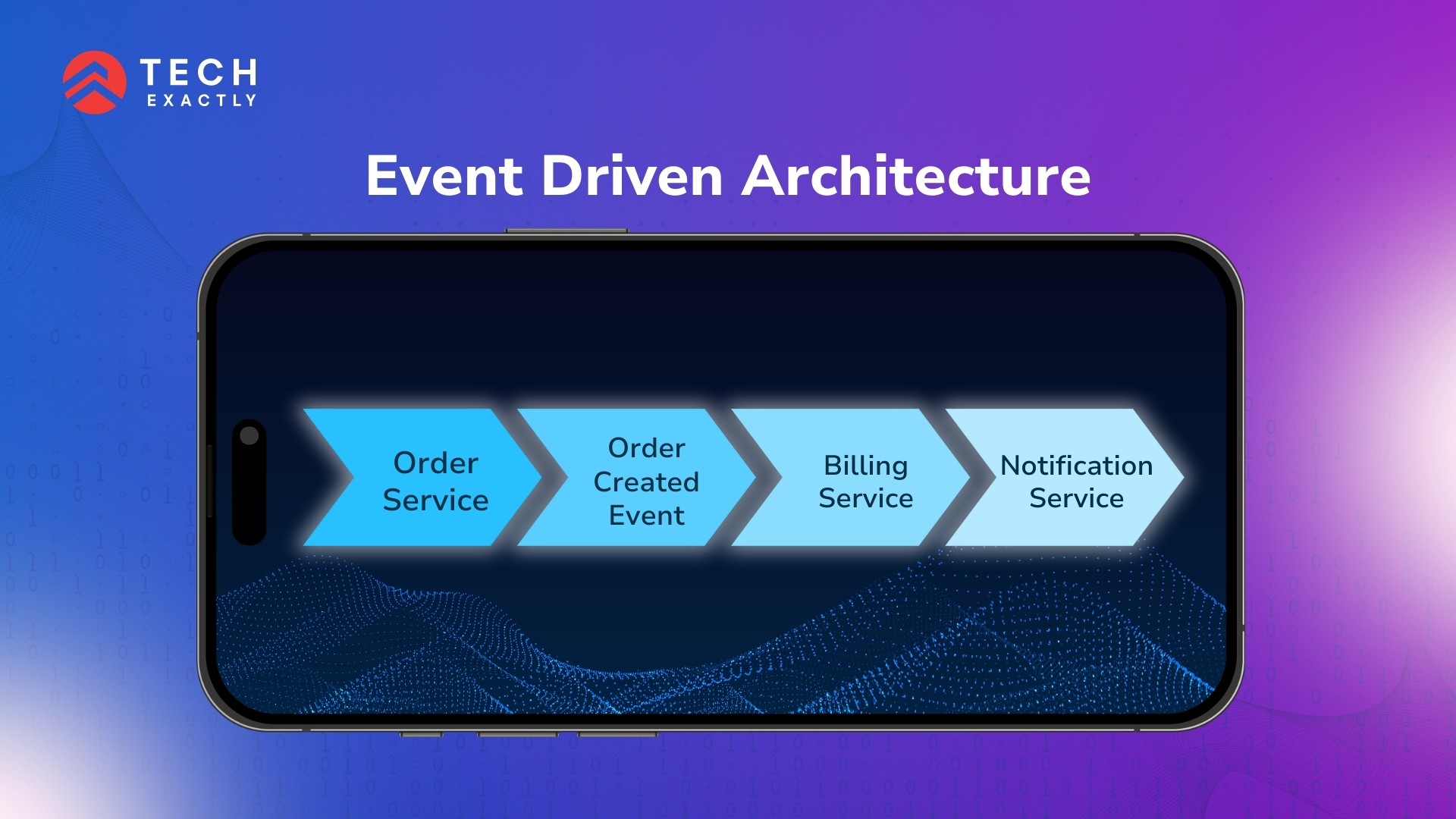
Microservices often communicate using events instead of direct service calls. When one service updates its data, it publishes an event that other services can consume and act upon.
This approach helps reduce tight coupling, but it can introduce some delay in data synchronization. For example, an order service might publish an “Order Created” event, which is then processed asynchronously by billing and notification services.
According to AWS and Microsoft Azure architecture guides, event-driven architecture enables loose coupling by allowing services to communicate asynchronously through events.
Saga Pattern
Maintaining consistency across multiple services requires careful coordination. The Saga pattern addresses this by breaking distributed transactions into a series of smaller, independent steps.
Each step includes a compensating action to handle failures. Instead of rolling back a single transaction like in monolithic systems, Sagas maintain consistency through a sequence of forward actions and corresponding rollbacks across services.
API Contracts
Since services interact through APIs, having well-defined API contracts is essential. These contracts allow services to evolve independently without disrupting communication between them.
Practices like versioning, schema validation, and maintaining backward compatibility play a key role in keeping a distributed system stable and reliable.
Industry guidelines from Google Cloud and Microsoft emphasize that well-defined API contracts are essential for enabling independent service evolution while maintaining system stability.
Why It Matters?
If data consistency isn’t handled properly, it can lead to problems like duplicate transactions, outdated data, or even system-wide inconsistencies, especially in SaaS platforms that deal with billing, user data, or real-time operations.
That’s why data architecture should be treated as a top priority when choosing between monolithic and microservices approaches, rather than something to figure out later.
Use Cases
Monolithic architecture works best when:
You’re building an MVP or early-stage SaaS product
The development team is small
The application scope is limited
Time-to-market is a priority
You want to validate your idea quickly
Many successful startups begin with a monolith and later transition to microservices as they scale.
Microservices Architecture Vs. Monolithic Architecture
While discussing Microservices Architecture vs Monolithic Architecture, the point isn’t that one is universally better than the other—it’s about which one fits your current situation, stage, and goals best.
Here’s a practical comparison:
Factor | Monolithic | Microservices |
Development Speed | Faster Initially | Slower Initially |
Scalability | Limited | Highly Scalable |
Complexity | Low | High |
Deployment | Simple | Complex |
Team Size | Small Teams | Large or distributed teams |
Maintenance | Becomes Harder over time | Easier if managed properly |
Flexibility | Low | High |
Key Insights
Start simple, scale smart.
Many SaaS companies begin as a monolith and gradually transition to microservices as their systems grow more complex.Microservices are not a silver bullet.
They help address scaling challenges but also bring added operational complexity.Monoliths are not outdated.
They remain highly effective for many real-world applications.
Common Mistakes to Avoid
Starting with microservices too early
Overlooking the importance of DevOps maturity
Breaking services into too many small parts
Failing to clearly define service boundaries
Treating microservices as a trend rather than a real need
Final Thoughts
The choice between monolithic and microservices architecture is more about context than trends. If you are an early-stage SaaS founder, monolithic architecture can help you move quickly, validate your idea, and make the most of limited resources.
On the other hand, if you’re scaling fast with complex requirements and larger teams, microservices can offer the flexibility and resilience you need. In reality, many successful SaaS companies take a hybrid approach, starting with a monolith and gradually breaking it into microservices as the product evolves.
The key is to avoid over-engineering too early while also not under-engineering for the future. Your architectural decisions should be guided by your current needs, team capabilities, and long-term vision.
Ultimately, both architectures have their place. The right choice is the one that aligns with your product stage, business goals, and engineering maturity.
If you’re planning to build or scale your SaaS product, choosing the right architecture is crucial. Whether you’re looking for cross-platform mobile app development services or scalable backend solutions, having the right development team by your side can make a real difference.
If you’re still evaluating architecture options, a brief review can help bring clarity. Getting input from an experienced team like Tech Exactly can provide a clearer perspective on your goal and long-term direction.