How Tech Exactly Built a HIPAA-Compliant AI Support Mobile App for Autism Caregivers
Project Brief
Autism Caregiving Is Hard. The Tools Make It Harder.
It's 6:47 AM. Maya's daughter won't get on the school bus. Yesterday's routine isn't working. The therapy notes are in a notebook she can't find. She handles it alone. Like most mornings.
Most times, autism caregivers lack the right support at the right moment.
According to the WHO, 1 in 127 people had autism in 2021, and the number keeps growing.
Our client, a US-based neuro-tech entrepreneur, saw this gap. The vision: an AI-powered mobile platform that acts like a trained behavioral expert (human AI Pilot) available before a difficult moment, during it, and after.
That vision became our north star for building a HIPAA-compliant mobile app designed for the realities of autism caregiving.
Project Type:
Mobile application with an admin panel
Client Location:
USA
Engagement Period:
4 months
Engagement Model
Dedicated team with React Native developers, Laravel developers, AI developers, Unity AI integration engineers, AI trainers, UI/UX designers, QA engineers, a business analyst, and a project manager.
Services Offered
iOS & Android App Development
AI Conversation Engine Development & Training
Unity AI Avatar Integration
Web Admin Panel & CMS
UX/UI Design
Subscription Flow Integration
Cloud Infrastructure Setup
Technologies Used & Third-Party Integrations
-
React Native (iOS & Android)
-
Laravel (Backend API)
-
Unity (AI Avatar)
-
AWS (Cloud Infrastructure)
-
RevenueCat (Subscription Management)
Problems That Left Caregivers Without Support
As we discussed further with the client, our discovery surfaced six clear gaps. Existing tools were not built for how autism caregiving actually works.
No Real-Time Support
Static apps can't respond to a situation already unfolding. Caregivers were left relying entirely on instinct.
Advice That Ignored the Individual
Autism isn't one condition. Generic guidance ignores unique triggers, preferences, and strategies, and actively makes things worse.
A Fractured Care Team
Parents, therapists, and teachers are rarely in sync. What works at home never reaches school. Insights from therapy never reach the family.
No Learning Between Sessions
Every session started from zero. There was no system retaining what worked last time, what caused a difficult episode, or which strategies had been tried.
Interfaces Not Built for Crisis
Most care apps are designed to be read at leisure. A complex screen during a real-time situation adds to the problem, not the solution.
No Data Privacy or Compliance Standard
Behavioral and health data are sensitive, but most existing tools treated it as anything but. No encryption, no access controls, no audit trail.
The Caregiver Discovery Process
We started with: what does a caregiver actually need, and when?
Through conversations with caregivers, therapists, and behavioral specialists, a pattern emerged. The needs weren't consistent, and they shifted depending on where someone was in the caregiving moment.
Before an Incident
They want preparation.
-
Understand potential triggers
-
Plan strategies
-
Feel prepared and confident
Prepare Mode
During an Incident
They want immediate support.
-
Get calm, step-by-step guidance
-
Access quick tools and resources
-
Reduce stress in the moment
Support Mode
After an Incident
They want reflection and guidance.
-
Understand what happened
-
Debrief and document easily
-
Improve future responses
Debrief Mode
How We Built a Mobile App Around Three Modes of Care
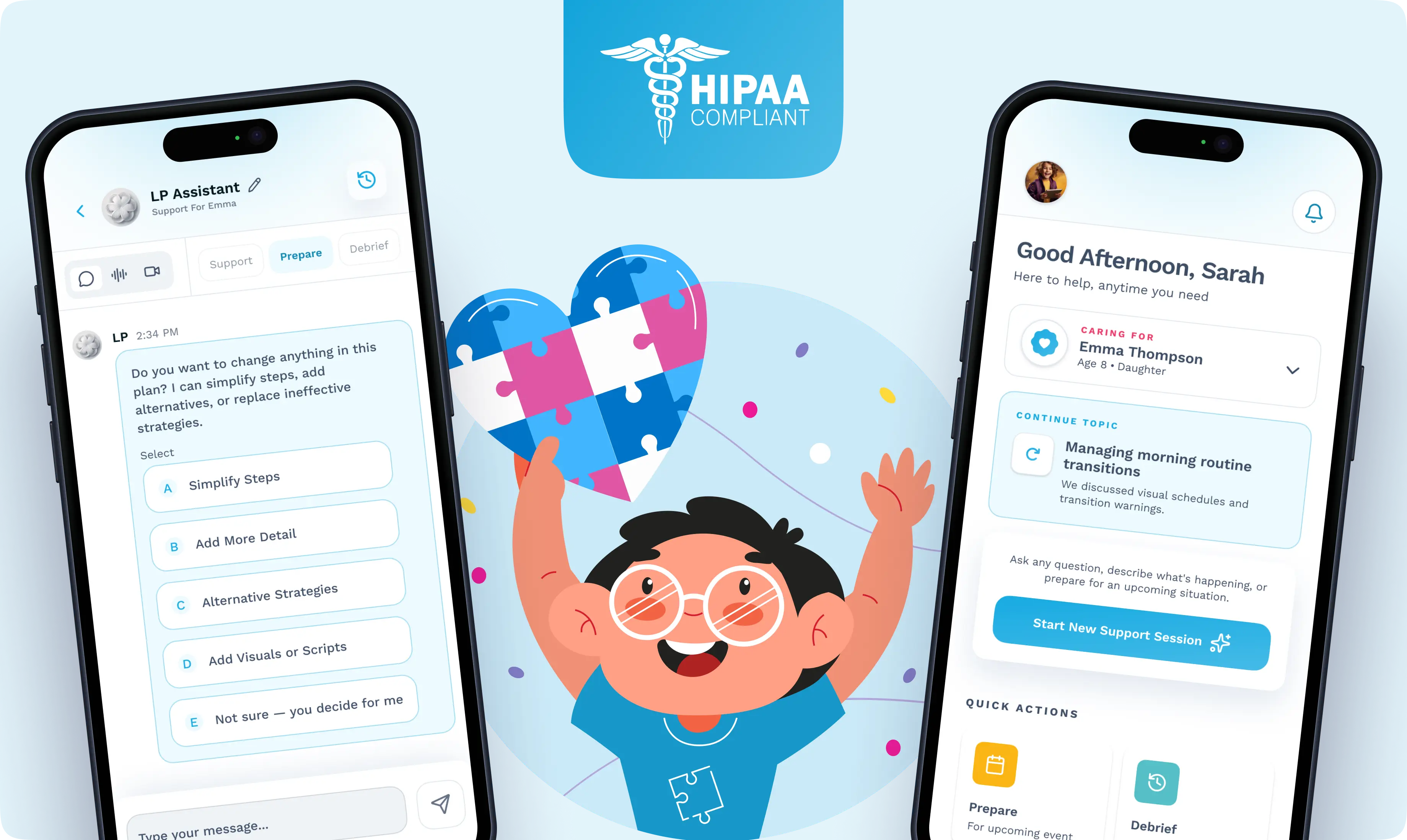
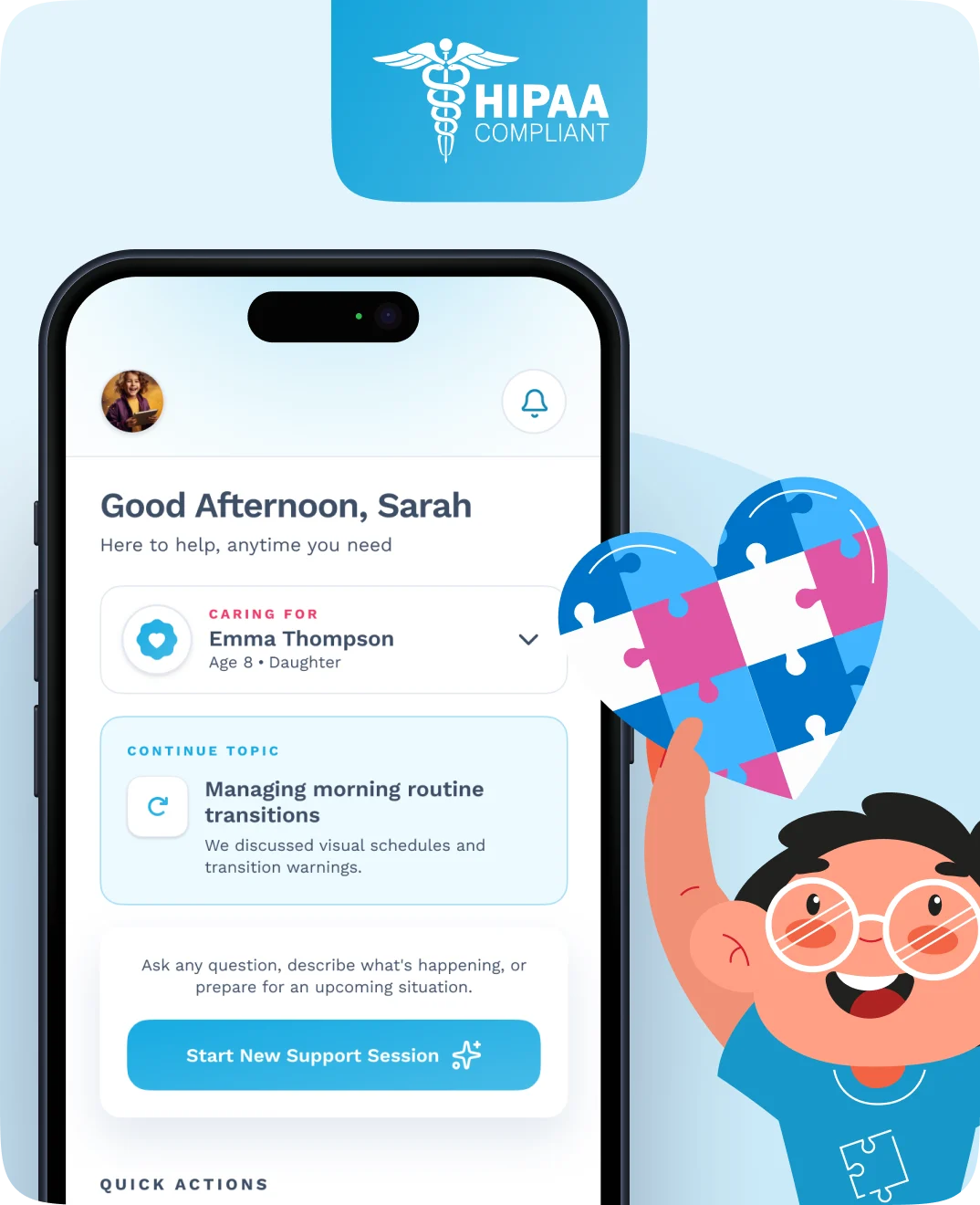
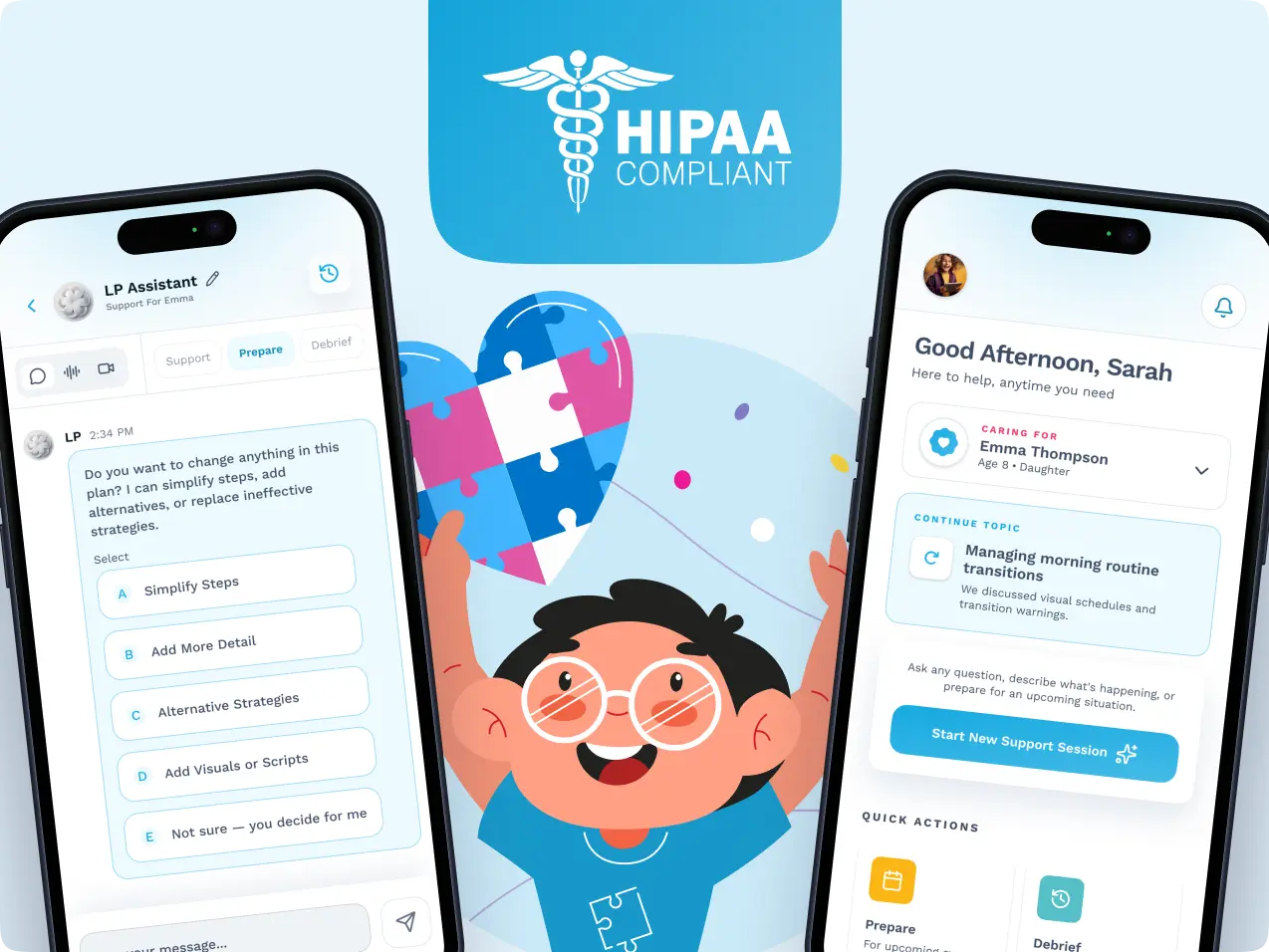
We structured the AI platform around three modes that mirror the real arc of caregiving: preparation, active support, and reflection. Every feature we built lives inside that loop
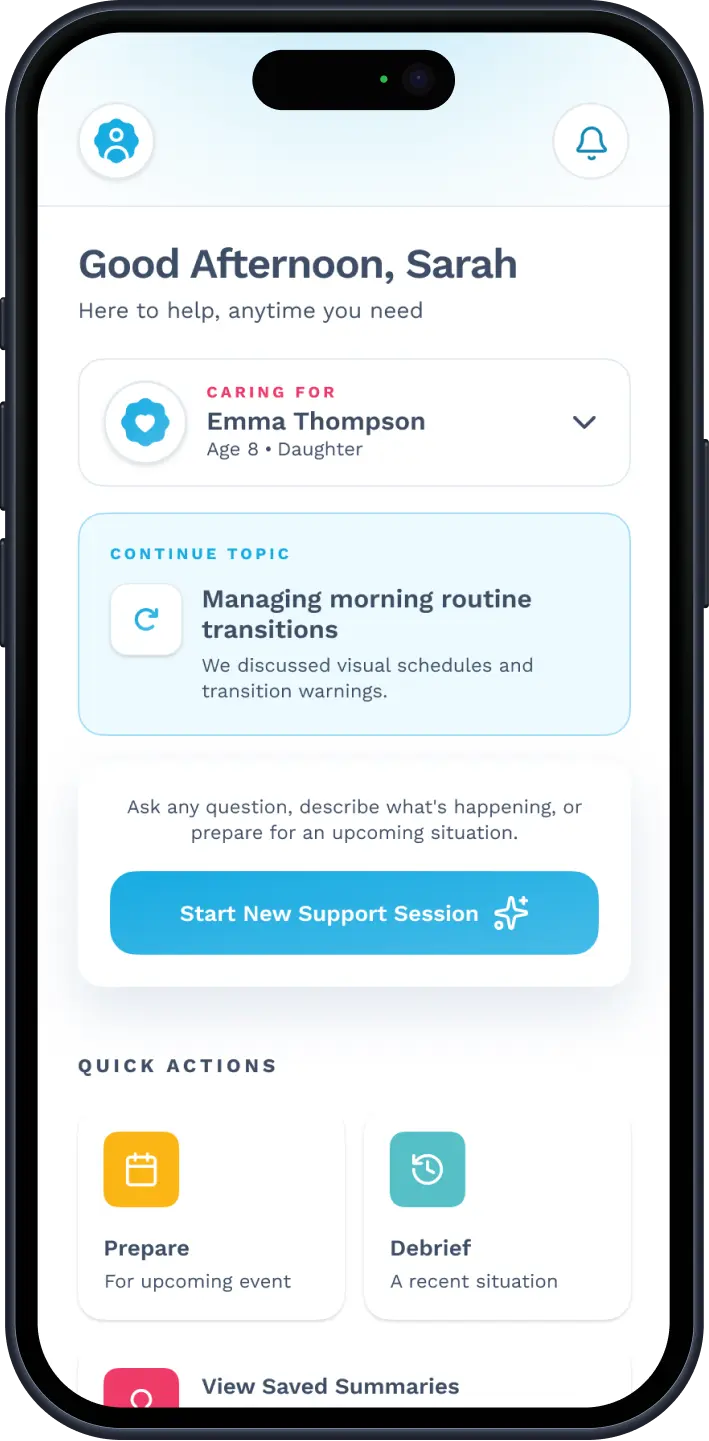
Prepare Mode
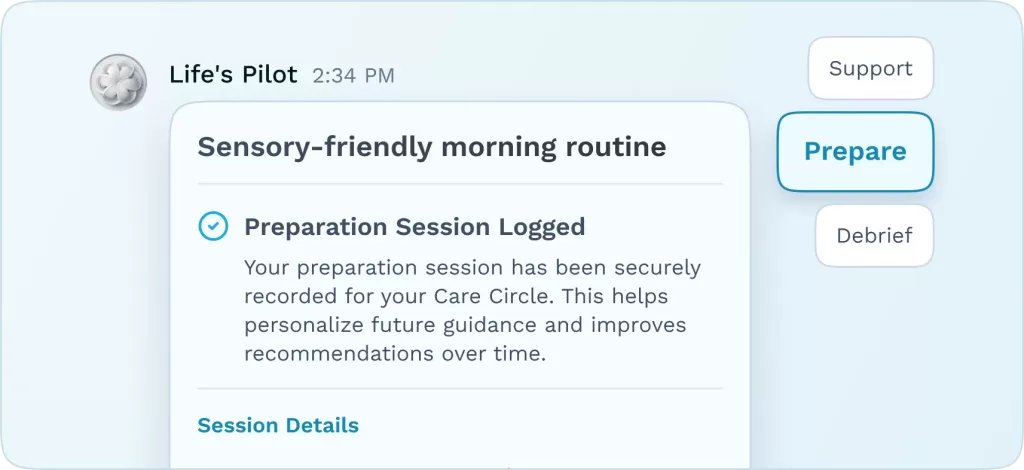
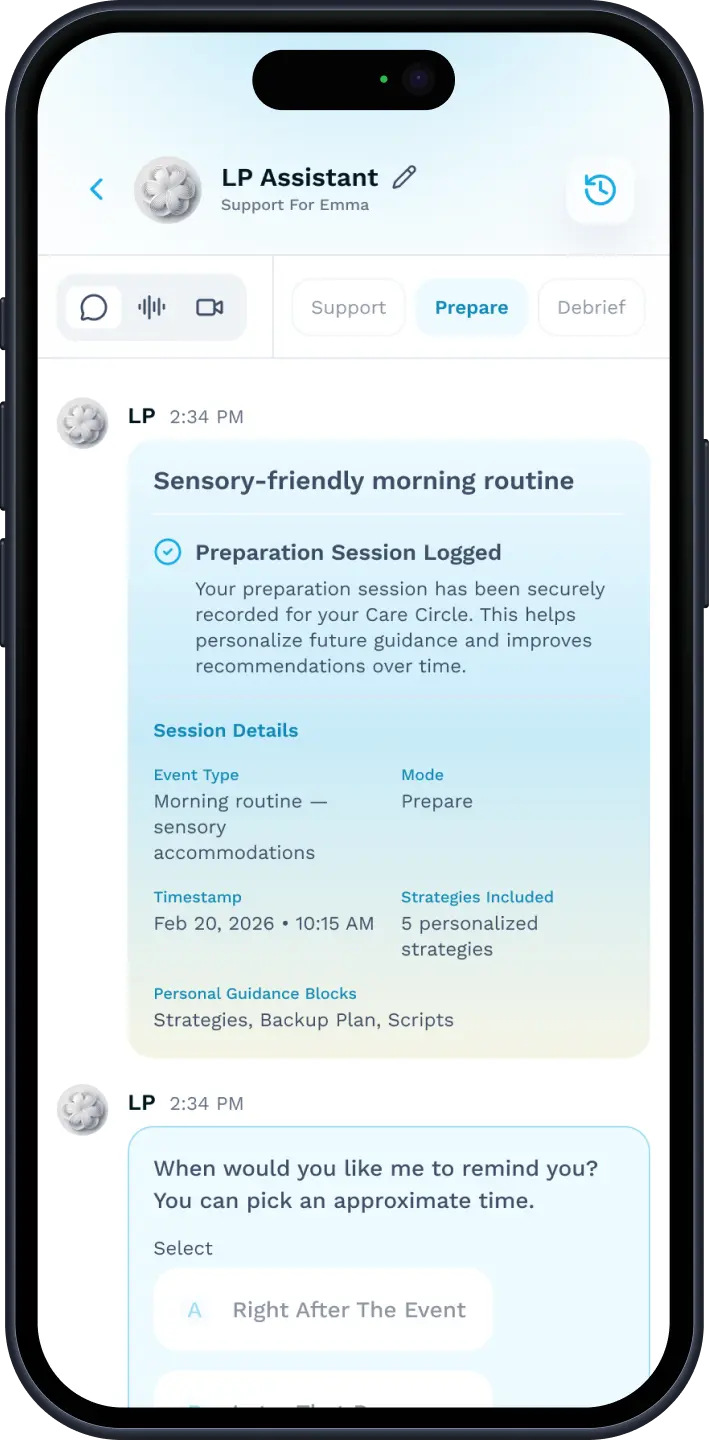
Before a difficult situation, the AI generates an individual-specific plan, anticipated challenges, coping strategies, scripts, and backup approaches. This has:
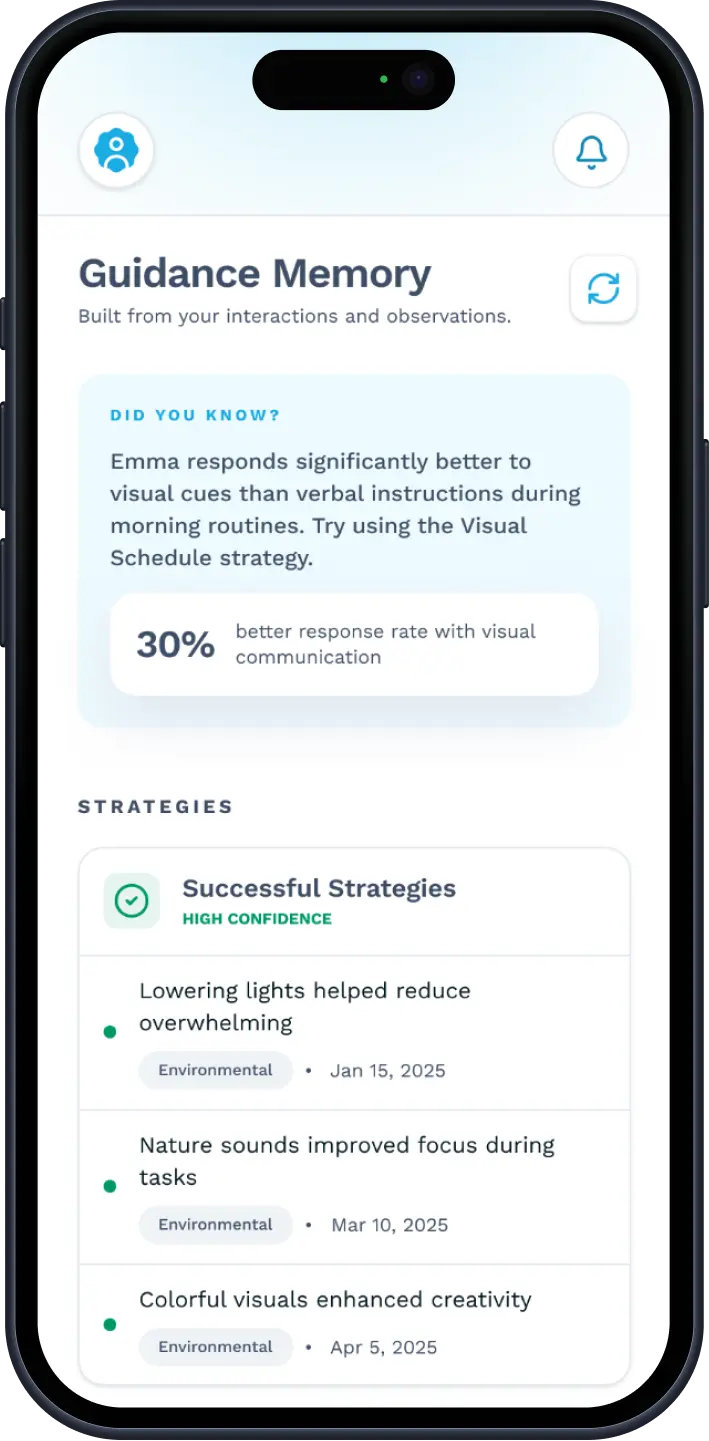
Personalized Guidance Memory (PGM) to retain each individual's triggers, calming techniques, and preferences, so every plan sharpens with every session
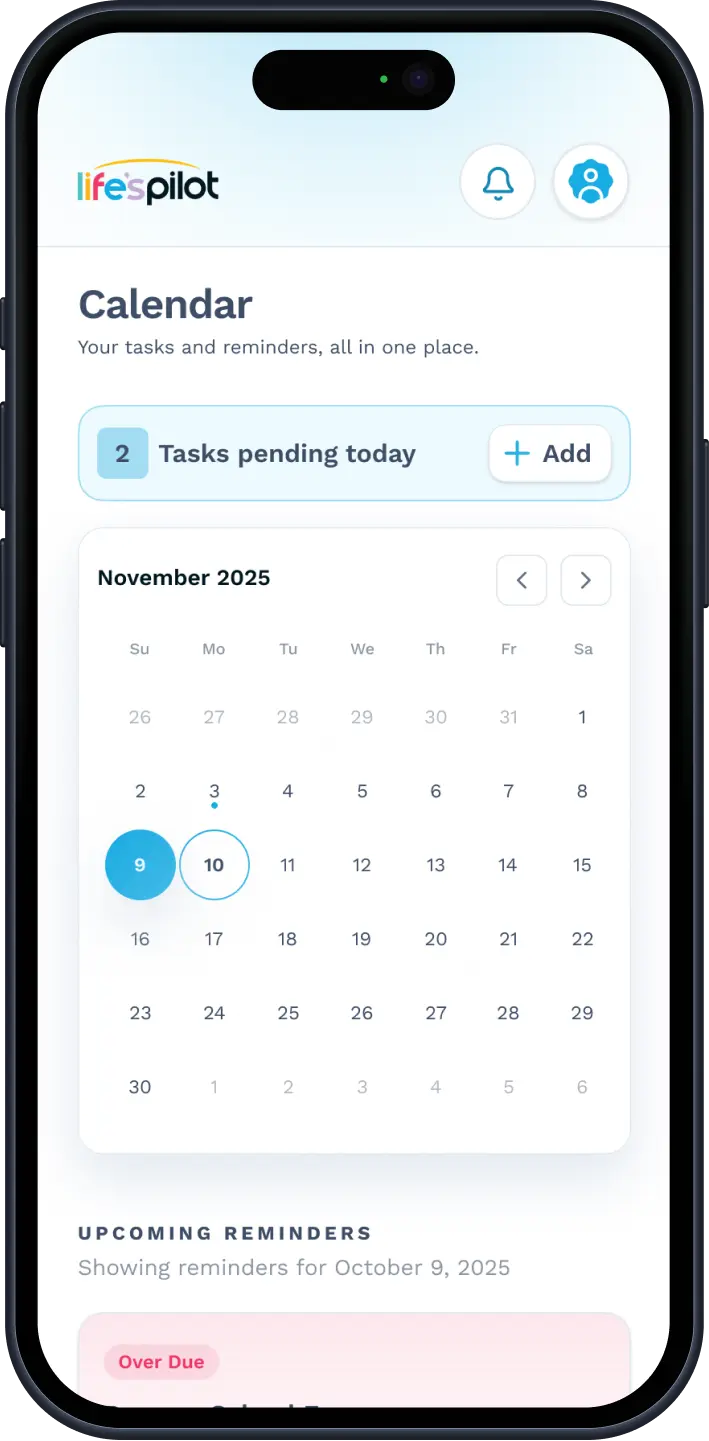
Reminders & Routine Management to keep caregivers organised across upcoming events, appointments, and daily routines
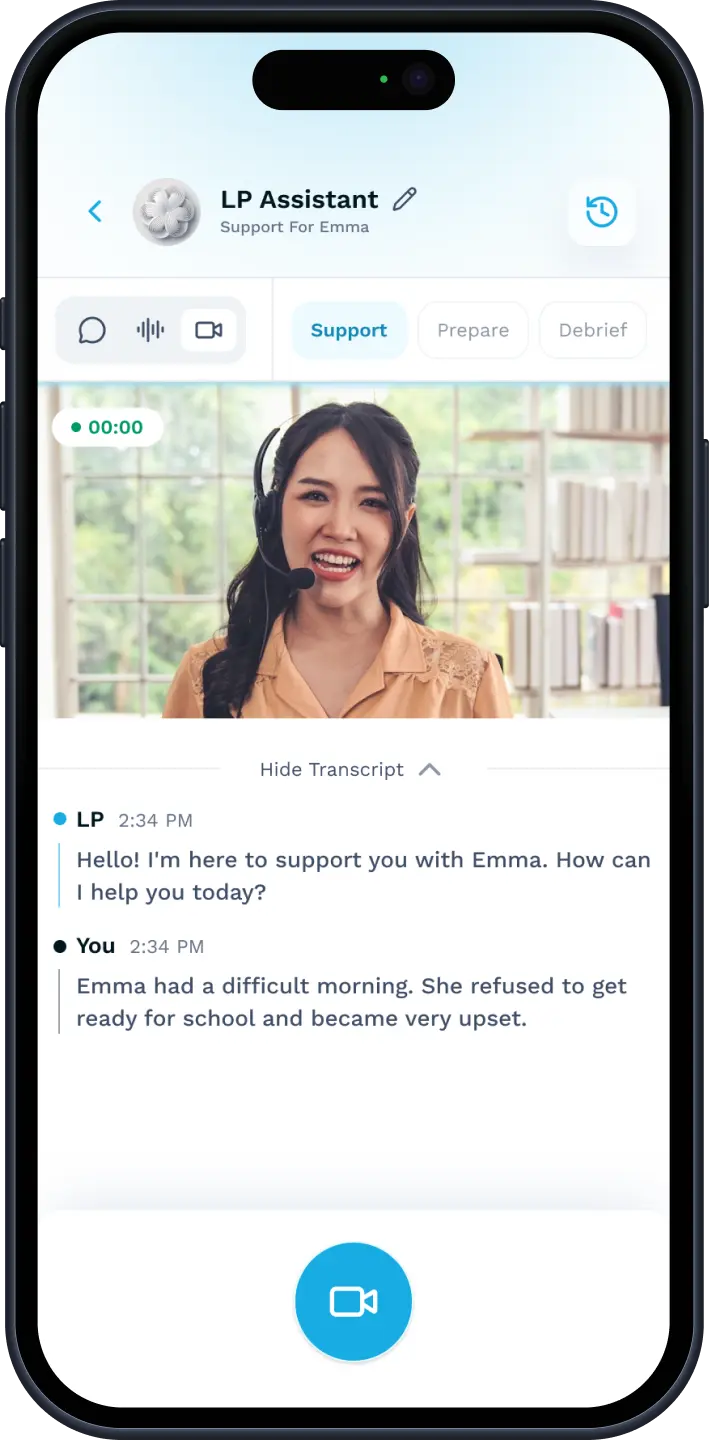
Support Mode
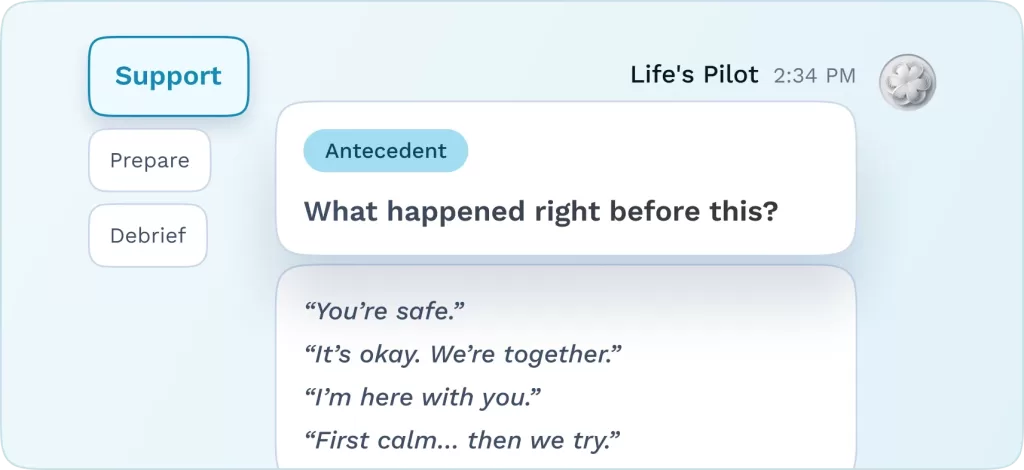
When something is already happening, the AI delivers calm, step-by-step guidance via text or voice, adapting in real time.The interface is deliberately minimal.
Text-to-Voice AI Avatar: a Unity-powered avatar delivers guidance conversationally; a calm, consistent presence that text alone cannot replicate
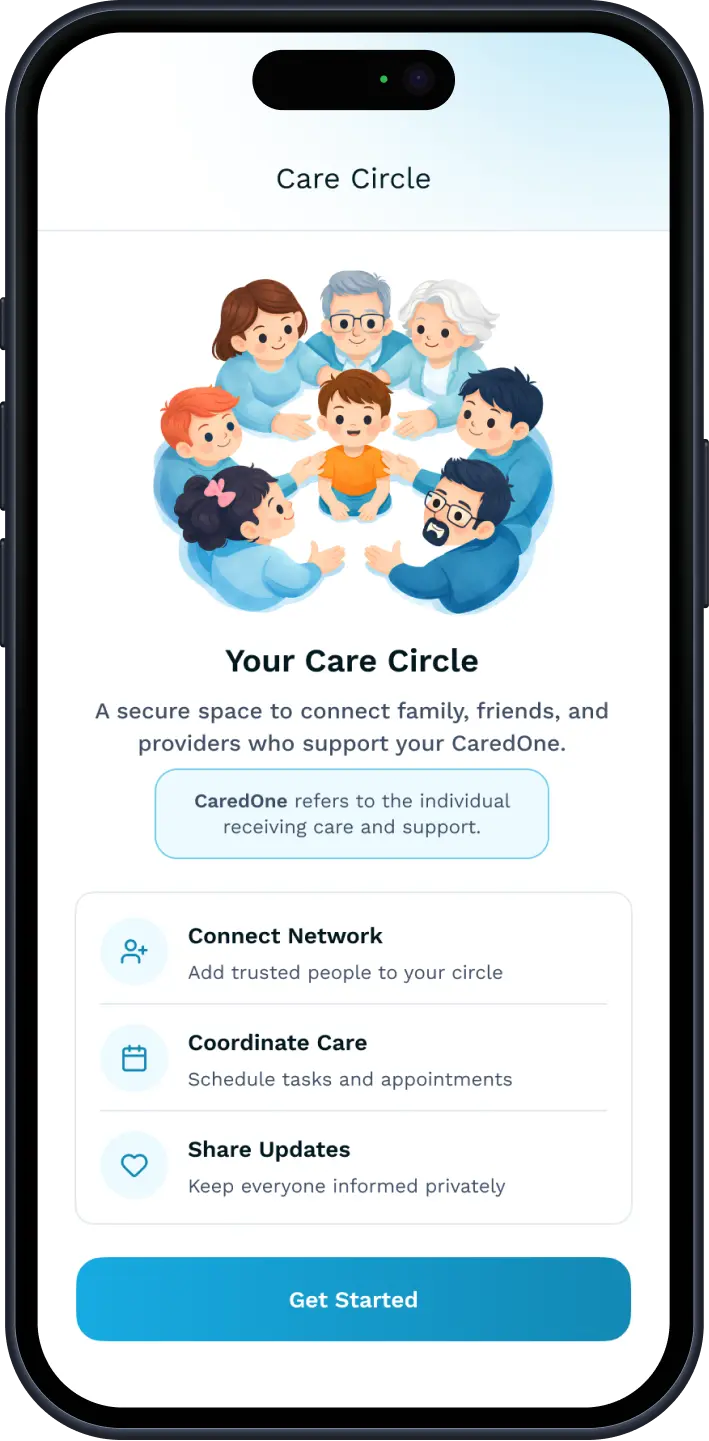
Care Circle to keep every person in the support network aligned, be it parents, therapists, teachers, aides, whoever is present
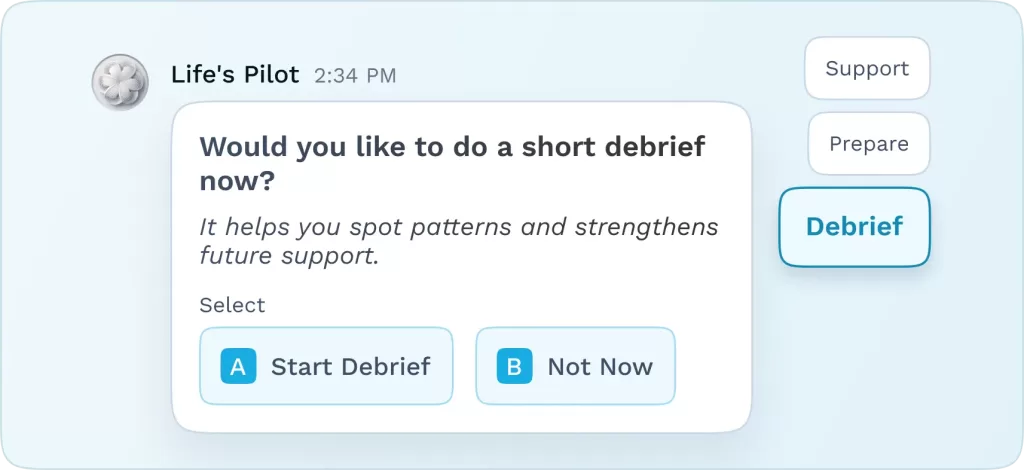
Debrief Mode
AI-Generated Session Summaries: auto-captures outcomes, strategies, and next steps, shareable across the Care Circle instantly
Admin Panel: gives behavioral specialists control over AI reasoning templates, guidance libraries, and safety constraints
Beyond the Three Modes
Building a caregiver support platform meant going beyond AI conversations. We built the security, compliance, and operational foundations needed to deliver a safe, scalable, and healthcare-ready experience.
HIPAA-Compliant Architecture
All session data, behavioral records, and Care Circle communications treated as Protected Health Information; end-to-end encrypted, role-based access, full audit logging built in from day one.
Subscription Management
Handled through RevenueCat across iOS and Android; users manage their plan seamlessly, and the business gets clean consolidated revenue data in one place
See The App in Action


The Impact Created
Every decision was filtered through a single question: how would this AI platform feel when a caregiver is already stressed?
Mobile-first interface improved caregiver confidence.
Low cognitive load reduced friction during support mode.
Accessibility-forward helped people with diverse needs
HIPAA-aware architecture strengthened privacy and data sensitivity
Conclusion
Four months with zero existing codebase. One platform that now lives on both the App Store and Google Play.
What we built understands that no two caregiving journeys are the same and then does something about it. Every session makes the platform smarter. Every summary keeps the care team tighter. Every prepared plan makes the next difficult moment a little less difficult.
Autism caregiving will always be hard. This platform just means no caregiver has to face it alone.
If you are building something in the healthcare or AI space, reach out to us at info@techexactly.com